
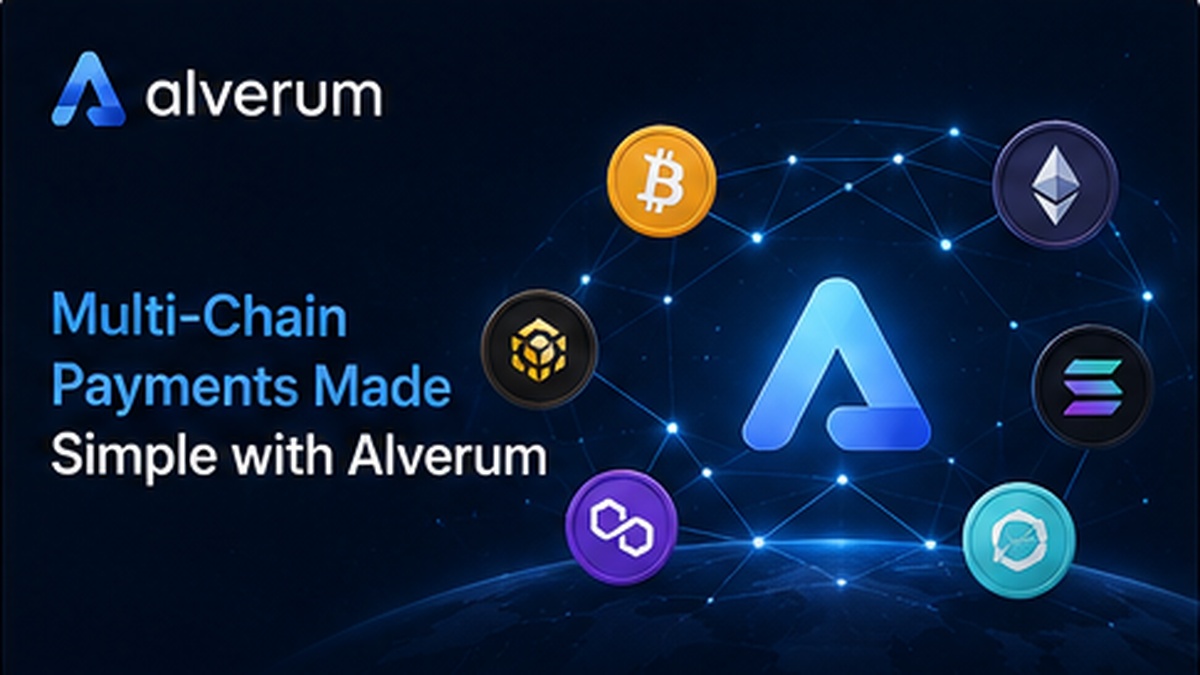
Multi-Chain Crypto Payments: Why Simplicity Matters
The crypto market is no longer built around one blockchain. Bitcoin remains the most recognized digital asset, Ethereum has become a major smart contract ecosystem, BNB Chain is widely used for fast transactions, Solana focuses on speed, and many other networks continue to grow.
This creates opportunity, but it also creates complexity.
A user may hold assets on several networks. A merchant may want to accept payments in different coins. A business may need to track transactions across multiple chains. Without the right tools, this can quickly become confusing.
What multi-chain payments actually solve
That is why multi-chain crypto payments are becoming more important.
A multi-chain payment system allows users and businesses to interact with different blockchain networks from one connected experience. Instead of manually switching between separate tools, wallets, and networks, users should be able to send, receive, and manage digital assets in a simpler way.
Alverom is building around this idea. The project is focused on AI-powered crypto payment infrastructure with multi-chain payments, smart invoicing, wallet management, and transaction support.
The value of multi-chain payments is not only about supporting more coins. It is about giving users flexibility. Different networks have different transaction speeds, fees, liquidity, and use cases. Sometimes a user may want the security and recognition of Bitcoin. In another situation, they may prefer a faster or cheaper network for everyday payments.
Why merchants care
For merchants, multi-chain support can make crypto acceptance more practical. A business does not want to lose customers because it only accepts one chain. At the same time, the business does not want to manage a complicated payment process. The ideal solution is a system that supports multiple assets and networks while keeping the user experience clean.
AI can improve this even further. An AI-assisted payment platform may help users choose the most suitable network, understand fees, track transaction status, and reduce errors. It can also help businesses organize invoices, confirmations, and payment history.
This is especially important because crypto mistakes can be costly. Sending assets to the wrong address or using the wrong network can lead to delays or permanent loss. Better guidance and clearer payment flows can help users feel more confident.
A global payment layer
Multi-chain crypto payments also support the larger trend toward global digital finance. People want faster international transfers. Businesses want access to global customers. Online platforms need payment tools that work across borders. Blockchain technology can help with this, but the experience must become easier.
Alverom is positioning itself in this part of the market by focusing on usability, AI assistance, and payment infrastructure. As crypto adoption grows, platforms that make multi-chain payments simpler may become more valuable to users and merchants.
The future of crypto payments will likely not belong to one network only. It will belong to systems that can connect multiple networks in a way that feels simple, secure, and practical.